
Transforming Freight Operations: The Use of AI in Load Matching
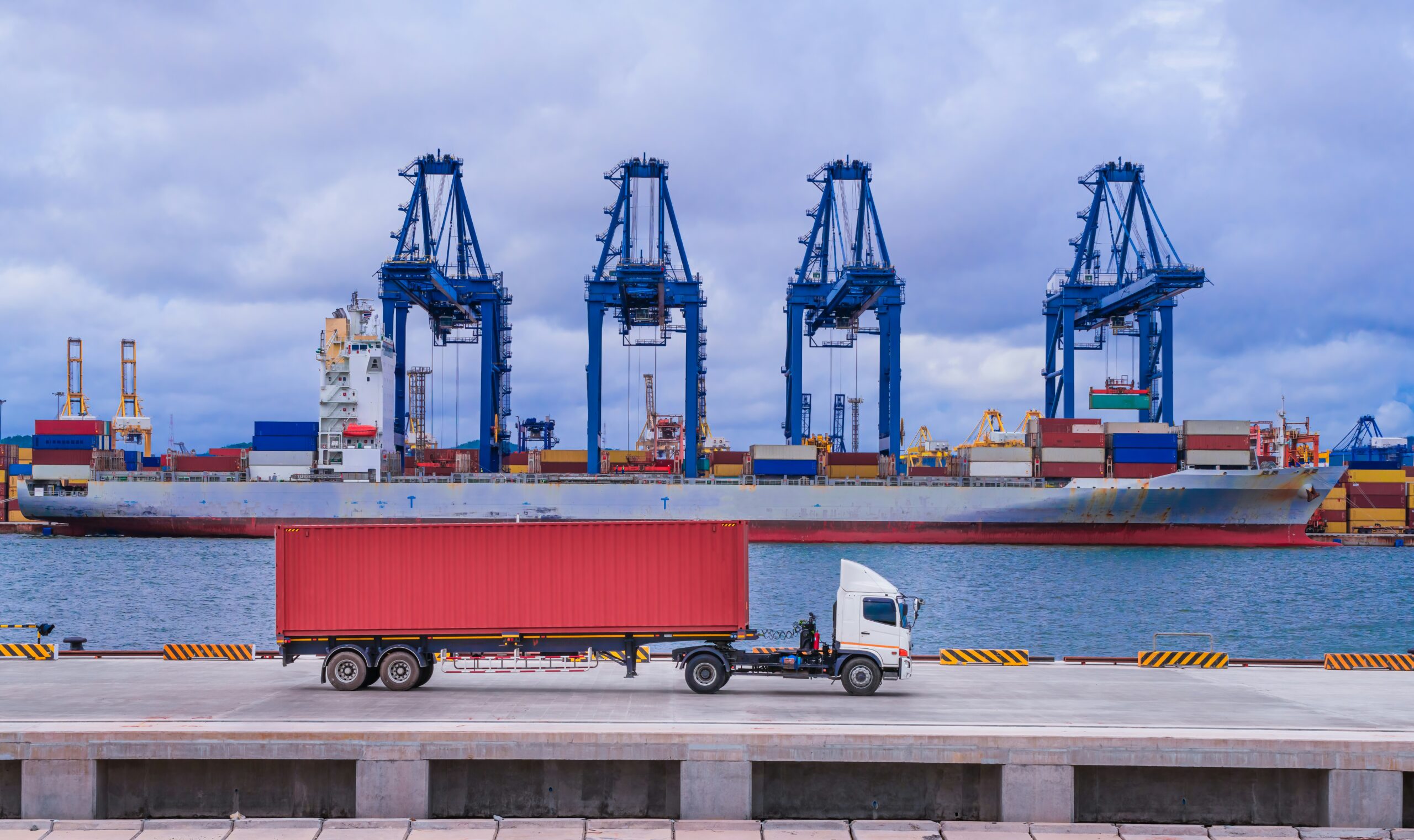
One of the most challenging burdens for trucking companies is empty or deadhead miles, which occur when a truck travels without cargo. Empty miles have a direct impact on profitability by negatively affecting labor and fuel costs as well as vehicle depreciation with no positive impact on revenue. While the financial aspect is significant, empty miles leave an environmental footprint by contributing to wasteful carbon emissions.
Using AI in Freight Load Matching
Artificial Intelligence (AI) is being used for an increasing number of applications in the logistics industry including load assignments. This technology capitalizes on advanced algorithms that analyze factors such as driver ability, fleet capacity, and delivery timelines to optimize freight load matching. Fleets can increase their productivity as a result since downtime and empty miles are minimized.
The Challenges of Freight Load Matching
AI is being used to combat some of the frequently occurring challenges in freight load matching, such as the following:
Inefficient Process: Load matching traditionally involved a lot of ‘back and forth’ with brokers and carriers making multiple phone calls and emails to book loads. Shipment needs are posted on various platforms which carriers must check to find appropriate matches. This type of manual process is time consuming and may cause delays in the movement of fleet vehicles.
Operational Costs: Deadhead miles are a waste of resources like labor and fuel. It is estimated that up to 20% of miles that trucks drive are empty miles. This results in significant amounts of wasted fuel and an increase in operational costs.
Missed Optimal Loads: Manual load matching means that carriers often miss optimal loads. On the flip side, shippers are also not optimizing their loads which lead to load matches that do not capitalize on truck capacity or route efficiency.
Empty miles translate to less revenue for carriers with increased costs while the empty truck still consumes fuel and requires a driver.
Predictive Freight Load Matching with AI
This technology is optimizing truck routes and reducing inefficiencies by minimizing empty miles by identifying matches between trucks and loads using data such as cargo type, location, and existing routes. The benefit of using AI for load matching is that it allows for immediate and real-time results so that changes in cargo availability are taken into account. This reduces the chance for empty miles.
Artificial intelligence gathers data from several different sources such as traffic patterns, GPS, and load boards to get a sense of the current situation to be able to predict future. AI analyzes the data to optimal matches for loads and trucks utilizing algorithms and historical data. For example, AI will take into account weather conditions to adjust routes to avoid delays. The predictive use of AI means that loads are matched with the correct truck size, weight, and delivery deadlines to reduce fuel consumption as well as vehicle wear.
Cost Savings of Automating Load Assignments
The efficiency gained by the use of automating freight load matching with the use of AI leads to operational cost savings. By reducing deadhead miles, fuel consumption is cut, there is less wear on vehicles, and driver utilization rates go up. Freight matching systems powered by AI improve these factors because each trip is at maximum efficiency. The benefit of being able to make decisions in real time backed by data analysis improves responsiveness to changing conditions. Dispatchers can match loads based on delivery deadlines, driver and vehicle capacity, and vehicle compatibility make the fleet more cost efficient and minimizing waste.
The cost savings are not just at the carrier’s end either. A digital freight matching platform that uses AI can consolidate shipments into a single return load, which reduces costs for shippers as well. AI helps shippers to find the best carrier for a certain load, which reduces wait times and giving a better chance for an on-time delivery. This helps give a carrier a competitive advantage over the competition.
What are the Best AI-Based Load Management Tools?
There are many platforms that utilize AI to handle load management. The following list is some of our top recommendations:
Loadsmart: A company that is using cutting-edge technology to optimize freight services and solutions. Loadsmart features real-time load matching with a focus on moving more with less to reduce costs and prices.
FourKites: FourKites FourSight™ is a platform that makes it easy for users with the ability to ask questions about data through conversation. The chat allows users to ask questions and transform the data into visulaizations and dashboards rather than traditional spreadsheets. This provides actionable insights to make well-informed freight decisions in seconds.
Project 44: With this AI-powered platform, logistics managers will spend 75% less time on manual data tasks. It offers real-time load tracking and analytics so users can make informed decisions. AI-driven insights give immediate control over every shipment.
Transfix: Transfix’s automated load matching and pricing algorithms help to ensure accurate data and cost with a focus on eliminating deadhead miles. Transfix offers AI pricing solutions that help to increase protability.
FlockFreight: FlockFreight stands apart because it only charges for the space that is used on the truck. It uses AI-powered shared truckload (STL) technology that combines shipments for optimization and reduced cost. Flock’s technology focuses on a more efficient and sustainable freight transportation process.
AI Improves Freight Load Matching
The dual benefit of AI being able to improve the logistics process with efficient load matching as well as reducing the carbon footprint of the fleet. Being able to optimize routes in real time allows for a carrier to adapt to conditions immediately while maintaining efficient processes.
Keep Your Company Moving with the Best IT Professionals
With the logistics industry moving more towards an advanced technology approach, including the use of AI-powered platforms, finding the right people who understand where the industry is going is becoming even more important. Struggling to find specialized IT professionals for your transportation and logistics business? We specialize in Transportation Technology solutions and talent—let’s get your projects done!
Need Help Making Your Team a Success?
Whether its IT transportation staff you need or expert consultation, Transport TechPros has got you covered.
Other Articles

The Evolution of Predictive Analytics in Trucking: AI, Automation, and the Future
Ready to elevate your team?
Let’s build success together
Contact us today to discuss how we can help you with your IT Transportation and Logistics staffing needs.